Clover Heart SVG Review: A Designer’s Take on St. Patrick’s Day Embroidery
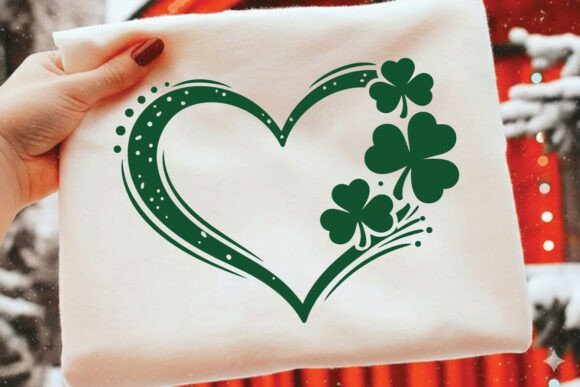
As a designer who spends half my life staring at stitch lines and the other half worrying about whether a client’s hoodie will shrink in the wash, I approach every new digital asset with a mix of excitement and skepticism. When I first pulled up the Clover Heart SVG, St. Patrick s Day SVG, I wasn’t just looking at a cute graphic; I was mentally mapping out how it would translate from a vector file into tangible thread on fabric. For those of us in the craft business, especially those running an Etsy seller shop or managing a small shop product line, the difference between a good design and a great one often comes down to execution. This review breaks down exactly where this design shines, where it might trip you up, and how it fits into your real-world workflow.
First Impressions: Mood and Visual Personality
The immediate appeal of this embroidery project lies in its simplicity and emotional resonance. The concept—a clover intertwined with a heart—is a classic for a reason. It bridges the gap between festive holiday cheer and timeless affection. In terms of visual personality, it feels warm, approachable, and slightly nostalgic. It doesn’t scream for attention with overly complex details; instead, it whispers quality through clean lines and balanced proportions.
From a pure Illustrations standpoint, the layout is versatile. The negative space is handled well, which is crucial when we are talking about converting a static image into dynamic Graphics for stitching. It creates a mood that works equally well for a cozy winter gift or a springtime boutique display. It’s not just another generic shamrock; the inclusion of the heart element elevates it, making it suitable for a wider range of recipients, including couples, friends, or even self-love focused marketing campaigns during the February-March window.
Real-World Application: Where This Design Shines
I recently tested the potential of this machine embroidery design by imagining it on several key products. Here is how I see it performing in actual production scenarios:
- Custom Apparel and Sweatshirts: This is perhaps the strongest use case. The sweatshirt embroidery market is saturated, but a well-executed Clover Heart SVG stands out because of its clean aesthetic. On a heather grey or cream crewneck, the design allows the texture of the fleece to complement the smoothness of the stitches. It feels premium rather than mass-produced.
- Tote Bag Designs: Canvas totes are a staple for handmade product sellers. The durability required for a tote bag means the design needs to hold up to friction. The central placement of this design works beautifully here, offering a focal point that doesn’t get lost in the folds of the bag.
- Baby Embroidery and Nursery Decor: Soft fabrics like muslin or flannel require delicate handling. The rounded shapes of the clover and heart are gentle on the eyes and safe for baby items. It translates exceptionally well as a personalized gift for new parents celebrating a spring birthday or a St. Patrick’s Day arrival.
- Holiday Embroidery and Gifts: Beyond just March, this design has longevity. It can serve as a generic "luck" or "love" motif year-round, giving you more flexibility in your inventory planning than designs tied strictly to one specific date.
Technical Considerations and Stitch Clarity
When evaluating any digital embroidery file, I always think about the mechanics of the hoop and the needle. The Clover Heart SVG appears to have a moderate level of detail. This is generally a good thing for consistency, but it requires careful attention to stitch density.
If you are using this as an applique design, the layering must be precise. The contrast between the clover leaves and the heart shape needs to be distinct enough that they don’t blur together under the presser foot. I recommend testing the thread colors carefully. High contrast (like emerald green against soft pink) will make the shapes pop, while low contrast might cause the design to look muddy, especially on textured fabrics.
For commercial embroidery projects, clarity is king. Customers trust brands that deliver crisp edges. If the satin stitch borders around the heart are too narrow, they may break down after a few washes. Conversely, if the fill stitch areas are too dense, the fabric may pucker, ruining the drape of a custom apparel item. Always inspect small details in your software before sending to the machine.
Where to Use with Caution
No design is perfect for every surface. There are specific scenarios where you should proceed with caution:
- Small Hoop Sizes: If you are working on very small caps or miniature patches, ensure the design scales down without losing legibility. Tiny details can become indistinguishable blobs when reduced too far.
- Textured or Stretchy Fabrics: Knits and heavy tweeds can distort the geometry of the clover. You may need a stronger stabilizer or a tear-away backing to keep the shape intact.
- Dense Stitch Areas: Avoid placing this design over existing seams or pockets on garments, as the added bulk can create uncomfortable lumps against the skin.
- Frequent Washing Items: For items like kitchen towels or aprons that undergo heavy laundering, ensure the running stitch and fill stitch combinations are secure. Loose threads can snag easily.
Impact on Brand and Customer Perception
In the world of design assets, aesthetics drive sales. A well-chosen embroidery file does more than decorate; it communicates professionalism. Using a cohesive, high-quality design like the Clover Heart SVG helps establish brand consistency across your printable mockup previews and finished listings.
Buyers on platforms like Etsy are visually driven. They want to see a finished product that looks polished. A clean, symmetrical design suggests that the maker paid attention to detail. This builds customer trust and encourages repeat purchases. Furthermore, the universal appeal of hearts and clovers increases the giftability of your items, broadening your potential audience beyond just those celebrating the holiday itself.
Practical Designer Notes for Success
Before you start producing batches of small shop product inventory, follow these steps to ensure success:
- Test on Scrap Fabric: Never go straight to the final garment. Test the embroidery project on a scrap piece of the same material to check for puckering or color bleeding.
- Check Black and White Mockups: Convert your design to grayscale to ensure the contrast levels work. If the shapes merge in black and white, they will likely struggle in color.
- Confirm Licensing: As a creative entrepreneur, you must verify the license terms. Does the purchase allow for commercial use? Can you sell the finished physical goods? Ensure you have the rights to sell the embroidered patch or apparel before listing it.
- Use Proper Stabilizer: The right stabilizer makes the difference between a professional finish and a wobbly mess. Match the stabilizer weight to the fabric weight.
- Review File Formats: The package includes EPS, SVG, and PNG files. Use the SVG or EPS for vector-based scaling in your design software, and the PNG for quick previews or non-embroidery applications.
Final Verdict
The Clover Heart SVG, St. Patrick s Day SVG is a solid addition to any designer’s library. It offers a blend of seasonal relevance and evergreen charm that appeals to a wide demographic. Its clean lines make it forgiving for beginners yet sophisticated enough for seasoned pros. By paying attention to stitch density, fabric choice, and proper stabilization, you can turn this simple graphic into a high-value handmade product that customers love. Whether you are updating your Etsy listings or creating unique personalized gifts, this design provides a reliable foundation for creative success.