Italian Street View Archway Sticker Review
As a designer who spends more time than I care to admit staring at stitch density charts and debating thread colorways, I approach every new machine embroidery design with a mix of optimism and skepticism. We have all seen the flashy digital previews that look stunning on screen but turn into a muddy, distorted mess after three passes through the hoop. That is why I decided to put the Italian Street View Archway Sticker through its paces. This isn’t just about whether it looks pretty; it is about whether it holds up as a viable asset for real-world projects, from high-end boutique merchandise to heartfelt personalized gifts.
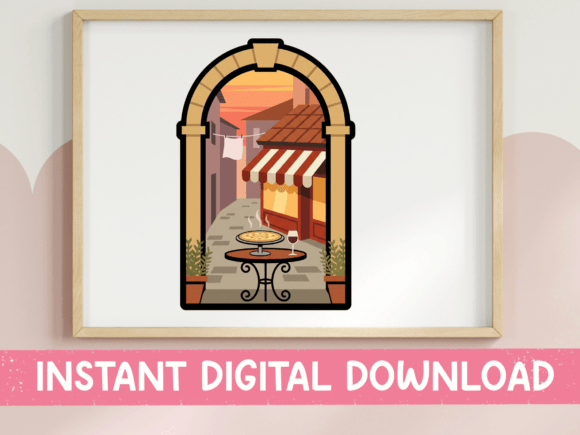
The concept behind this piece is immediately appealing. It captures that specific golden-hour nostalgia we all feel when thinking about Italy—the warm stone, the narrow alleyways, the sense of history. But does that mood translate well into thread? Let’s break down how this Graphics category item performs in actual production scenarios.
First Impressions and Visual Personality
When you first load the Italian Street View Archway Sticker into your digitizing software, the layout feels balanced. The archway framing device is a classic compositional tool that works beautifully in embroidery because it naturally contains the eye. Unlike chaotic street scenes that can become visually noisy when stitched, this design has clear boundaries. The "sticker" aesthetic mentioned in the description suggests a clean edge, which is crucial for maintaining clarity on textured fabrics.
The visual personality is warm and inviting. It evokes a sense of travel and romance without being overly literal or cluttered. For designers looking to create custom apparel that tells a story, this design offers a sophisticated backdrop. It doesn’t scream for attention; instead, it invites the viewer to lean in and appreciate the details of the alleyway within the frame. This subtlety is often harder to achieve in embroidery than bold, graphic shapes, making it a strong candidate for elevated handmade products.
Real-World Application: From Screen to Stitch
I tested this design with several common project types to see where it truly shines. The versatility of the Italian Street View Archway Sticker becomes apparent when you consider its adaptability across different mediums.
- Tote Bags and Canvas Goods: This is perhaps the strongest use case. The sturdy nature of canvas allows the design to breathe. When applied to a tote bag design, the archway frames the fabric nicely, creating a focal point that doesn’t get lost in the weave. The contrast between the thread and the natural canvas texture enhances the "cobblestone" feel.
- Sweatshirt Embroidery: For cozy, autumnal vibes, placing this on a crewneck sweatshirt is a winner. The slightly heavier weight of the hoodie fabric supports the fill stitch areas well, preventing puckering. It gives off a relaxed, wanderlust energy that resonates with customers who value comfort and aesthetics.
- Kitchen Textiles: Tea towels and aprons are underrated canvases for this kind of imagery. A handmade product like a linen tea towel featuring this archway adds a touch of European charm to any kitchen. It serves as both decor and utility, increasing the perceived value of the item.
- Baby and Nursery Items: While delicate, the soft lines of the archwork can work beautifully on baby onesies or nursery wall hangings. However, this requires careful handling of thread colors to ensure they remain soft and not harsh against sensitive skin.
In terms of brand consistency, this design fits seamlessly into a boutique branding strategy. If you run an Etsy seller shop focused on travel-themed goods, this embroidery file acts as a reliable anchor piece. It signals quality and thoughtfulness to buyers who are looking for something more unique than mass-produced prints.
Technical Considerations and Potential Pitfalls
No design is perfect, and knowing where to exercise caution is what separates a professional from an amateur. There are specific scenarios where the Italian Street View Archway Sticker needs careful management.
Small hoop sizes are the primary challenge. If you attempt to digitize or stitch this design too small, the intricate details of the alleyway may merge into a single blob. The distinction between the stone textures and the shadows relies on sufficient space. Therefore, always check the minimum recommended hoop size before committing to a tiny patch or a small chest logo placement.
Textured fabrics require extra attention. While canvas works well, highly nubby linens or boucle knits can obscure the fine details of the satin stitch outlines. On these surfaces, the design might lose its crispness. Similarly, stretchy fabrics like jersey can distort the arch shape if not stabilized properly. Using a cut-away stabilizer is non-negotiable here to maintain structural integrity during washing.
Dense stitch areas should be monitored. If the digitization uses heavy fill stitches for the shadowed parts of the alley, it could create a stiff, uncomfortable area on garments. Test the hand-feel of the finished product. If it feels like a plastic patch rather than embroidered fabric, the stitch density may need adjustment. Additionally, dark fabrics can swallow up lighter thread tones, so ensuring high contrast is vital for legibility.
Practical Designer Notes for Production
To ensure the Italian Street View Archway Sticker delivers a professional result, follow these practical steps:
- Test on Scrap Fabric: Never go straight to your final garment. Stitch the design on the exact fabric type you plan to sell or use. This reveals issues with tension, puckering, or color bleeding early.
- Check Thread Color Contrast: Review the thread palette against your chosen background. A light-colored arch on a white shirt will vanish. Use black and white mockups to verify that the shapes remain distinct without color distraction.
- Inspect Small Details: Zoom in on the digital preview. Are the window panes or cobblestone textures too small to be resolved by your machine’s needle? If they are borderline, consider simplifying the design or increasing the output size.
- Confirm Licensing: Before listing this as a commercial embroidery product or selling finished items, double-check the license terms. Ensure you have the right to sell physical goods made from this digital embroidery file.
- Stabilizer Selection: Match the stabilizer to the fabric weight. Light fabrics need lightweight tear-away or wash-away support, while heavy denim or canvas requires robust cut-away backing to prevent distortion.
Final Verdict on Value and Appeal
The Italian Street View Archway Sticker succeeds because it balances artistic flair with technical feasibility. It avoids the trap of being too detailed for its own good, offering a clear, recognizable image that translates well into thread. For the craft business owner, this design offers a high perceived value with manageable production complexity.
It appeals to the emotional side of shopping—nostalgia, travel dreams, and appreciation for beauty. Customers respond well to designs that evoke a feeling, and this one does exactly that. Whether used for a personalized gift for a friend returning from Europe or as a staple item in a small shop product line, it holds its own.
However, success depends on execution. The difference between a mediocre result and a premium-looking item lies in the preparation. By respecting the limitations of fabric texture, hoop size, and stitch density, you can transform this digital graphic into a tangible piece of art. It is a solid addition to any designer’s library, particularly for those specializing in lifestyle-oriented apparel decorators and creative entrepreneurs.
Ultimately, the Italian Street View Archway Sticker is more than just a picture of an arch; it is a vessel for atmosphere. When stitched correctly, it brings a slice of Italian warmth to everyday objects, making it a worthy investment for anyone serious about their embroidery project outcomes. Just remember to test thoroughly, choose your materials wisely, and let the design speak for itself.