Strum and Fiesta Guitar Sticker Review
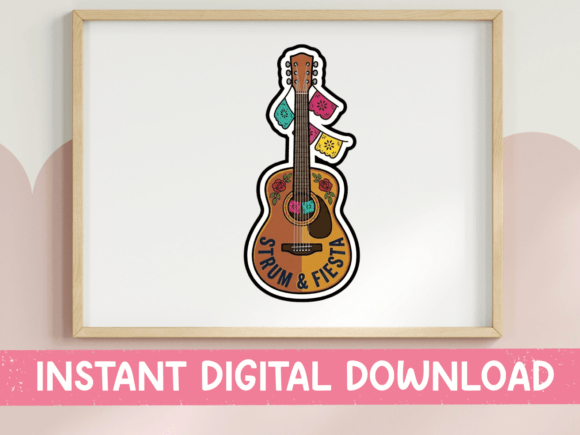
As an embroidery designer who spends hours judging files for stitch density, color transitions, and overall aesthetic appeal, I don’t just look at a design; I look at how it will behave on fabric. When Strum and Fiesta Guitar Sticker landed in my review queue, I didn’t see just another graphic. I saw a potential bestseller for the right craft business owner or a standout personalized gift for a music lover. This piece belongs to the T-Shirt Designs category under Graphics, but its application extends far beyond a simple chest print. It is a vibrant acoustic guitar sticker decorated with colorful floral embellishments, and understanding its nuances is key to turning a digital file into a high-quality finished product.
The First Impression: Mood and Visual Personality
The immediate draw of Strum and Fiesta Guitar Sticker is its warmth. The description highlights a warm brown acoustic guitar, which immediately suggests earthiness and authenticity. In embroidery, brown can be a tricky color if not paired correctly, as it can sometimes look muddy against certain thread palettes. However, the addition of colorful floral embellishments changes the entire dynamic. These flowers likely introduce pops of red, pink, yellow, or green, creating a festive, celebratory mood that aligns perfectly with the "fiesta" theme.
From a design perspective, this creates a strong visual hierarchy. The guitar acts as the anchor, while the florals provide movement and energy. For a crafter looking to create a handmade product, this balance is crucial. It isn’t overly busy, nor is it too sparse. It feels approachable and joyful. When I imagine this stitched onto a canvas tote bag or a soft cotton sweatshirt, the contrast between the structured shape of the guitar body and the organic curves of the flowers creates a pleasing tension. It feels like a design that says, "I love music, and I love life," which is a powerful message for custom apparel.
Real-World Application: Where This Design Shines
In my experience evaluating designs for real project use, context is everything. Strum and Fiesta Guitar Sticker is versatile, but it has specific niches where it truly excels. Let’s talk about practical scenarios.
- Custom Apparel and Sweatshirts: This design would look fantastic centered on the back of a crewneck sweatshirt. The size of a guitar allows for a substantial presence without overwhelming the garment. For an Etsy seller, this is a prime item for the fall and winter seasons, especially when marketed toward guitar players and fiesta fans who wear their love of music loud and proud.
- Baby Embroidery and Nursery Decor: While the theme is musical, the floral elements soften the image, making it suitable for baby clothes or nursery decor. A small version of this design on a onesie or a burp cloth could be a hit for parents who want something unique rather than generic animal motifs. The warm brown tones pair beautifully with neutral baby fabrics like cream, beige, or light grey.
- Embroidered Patches and Tote Bag Design: Because the design has a clear focal point (the guitar), it translates well to patches. Whether used as a badge on a denim jacket or a decorative element on a canvas tote, the floral details add texture and interest. For a small shop product, these are low-cost, high-perceived-value items that move quickly at craft fairs.
- Holiday Embry and Personalized Gifts: Think about the recipient. Who buys this? The music teacher, the festival-goer, the indie musician. Positioning this as a holiday gift for these specific personas increases conversion rates. It’s a thoughtful, niche choice that shows effort.
Technical Considerations and Stitching Challenges
Now, let’s get into the weeds—the technical stuff that separates a professional result from a amateur one. As a reviewer, I must highlight where Strum and Fiesta Guitar Sticker requires careful execution.
Stitch Density and Detail: Floral embellishments often involve small, intricate shapes. If the stitch density is too high, the fabric may pucker, especially on lighter materials. Conversely, if the details are too fine, they might get lost in the stitching process. Before committing to a large production run, you must test the design on scrap fabric. Pay close attention to how the satin stitches hold up around the curves of the flower petals. Are there enough tie-ins to prevent thread breaks?
Fabric Texture and Stabilizer Choice: The choice of fabric dramatically affects the outcome. On a smooth cotton t-shirt, the colors will pop. On a textured linen or a stretchy jersey knit, you need the right stabilizer. For stretchy fabrics, a cut-away stabilizer is non-negotiable to prevent distortion over time. For a tote bag design made of heavy canvas, a tear-away stabilizer might suffice, but you must ensure the hoop doesn’t leave permanent marks on the final product.
Thread Colors and Contrast: The warm brown of the guitar needs to stand out against the background. If you are embroidering this on dark fabric, you will need a dense fill stitch or an underlay to make the brown visible. On light fabric, the brown might blend in too much, requiring a contrasting outline or shadow effect. Always inspect small details by converting your mockup to black and white to check contrast levels. This simple step can save you from ruining a batch of garments.
Where to Use Carefully
While this design is robust, it is not suitable for every situation. Avoid using this on curved surfaces like caps unless you have extensive experience with cap hoops, as the floral details may distort around the curve. Similarly, tiny lettering or very small decorative accents might not render well in smaller hoop sizes. If you are working with thin or delicate fabrics, the weight of the embroidery threads could cause sagging. Always confirm whether the design works for both personal and commercial projects before selling finished items.
Impact on Product Value and Brand Consistency
For the Etsy seller or craft business owner, the quality of the embroidery directly impacts customer trust. A poorly digitized design looks cheap, regardless of the base product. Strum and Fiesta Guitar Sticker, when executed well, elevates the perceived value of the item. The combination of the guitar motif and floral art suggests a boutique, curated feel. It moves the product away from mass-produced merchandise and into the realm of artisanal goods.
This design also supports brand consistency. If your shop focuses on music-themed or bohemian-style products, this fits seamlessly into your collection. It helps create a cohesive narrative across your listings. Buyers engage more with designs that tell a story. The "fiesta" aspect adds a layer of cultural vibrancy that resonates with customers looking for something spirited and authentic.
Final Verdict and Practical Advice
Strum and Fiesta Guitar Sticker is a solid choice for designers looking to expand their catalog with music-themed or festive apparel. Its strength lies in its balanced composition and broad appeal. However, success depends on your preparation.
- Test First: Never skip the scrap fabric test. Check for puckering, thread tension, and color accuracy.
- Check Licensing: Ensure you have the rights to sell finished products made from this digital embroidery file. Commercial licensing terms vary, and ignoring them can lead to legal issues.
- Optimize for Your Audience: Market this to guitar players, music teachers, and festival enthusiasts. Use keywords like "handmade gift," "custom apparel," and "embroidered patch" in your listings.
- Quality Control: Inspect every finished product for loose threads and alignment issues. Professional presentation builds repeat customers.
Ultimately, this design offers a great opportunity for creative entrepreneurs. It’s not just a graphic; it’s a conversation starter. With careful execution and smart marketing, Strum and Fiesta Guitar Sticker can become a staple in your design assets library, driving sales for your small shop product line. Just remember: the magic happens in the stitching, so respect the process, and the results will follow.