Vintage Hourglass Sticker Design Review
As a designer who spends half my life staring at stitch charts and the other half worrying about whether a client’s dream will actually survive the embroidery machine, I approach every new file with a healthy dose of skepticism. We’ve all been there: you see a cute graphic online, download it, and then realize halfway through digitizing that the fine details are going to turn into a muddy blob on fabric. That is why I took Vintage Hourglass Sticker Design for a spin. This isn’t just about looking pretty in a digital preview; it’s about understanding how this machine embroidery design holds up when thread meets tension.
First Impressions: The Mood and Aesthetic
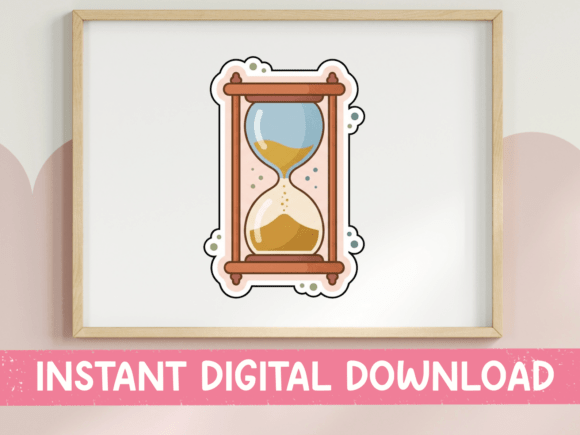
The moment you load the file, the vibe is immediately clear. This is not a modern, minimalist geometric shape, nor is it a chaotic, busy pattern. It leans heavily into that cozy, nostalgic aesthetic that has taken over craft fairs and Etsy shops alike. The description mentions a "classic wooden-framed hourglass" with "warm golden" tones, which suggests a specific color palette that relies on warmth and contrast.
For an embroidery project, this mood is crucial. It feels grounded. It appeals to mindfulness enthusiasts, yes, but also to anyone who appreciates the tactile nature of handmade goods. Visually, the sticker-style outline gives it a distinct border, which is a designer’s best friend. It creates a clean separation between the design and the garment, preventing that "floating" look that can make an embroidery piece feel amateurish. The layout is centered and balanced, making it incredibly versatile for placement on various items.
Real-World Application: Where Does It Shine?
I don’t believe in designs that only look good on a white background in Photoshop. So, let’s talk about real use cases. I visualized this Graphics asset being applied to a few different products to see where its strengths lie.
The Custom Tote Bag
This is perhaps the most natural home for this design. Imagine a heavy canvas tote bag in a deep navy or forest green. Placing the Vintage Hourglass Sticker Design on the front center creates an instant statement piece. The "sticker" aspect works beautifully here because it mimics the look of a patch or a decal, which fits the utilitarian yet stylish vibe of tote bags. For an Etsy seller or someone running a craft business, this is a high-demand item. The design’s clean lines ensure that even if the customer uses a slightly lighter thread, the shape remains legible.
Sweatshirt Embroidery and Cozy Apparel
Moving to apparel, this design screams "cozy season." On a heather grey sweatshirt, the warm golden threads (if used) would pop against the cool grey undertones. It works well as a chest-sized logo or a larger back print. Because it is a T-Shirt Designs category item, it’s obviously optimized for flat surfaces, but the vintage theme makes it perfect for fall and winter collections. It adds a touch of sophistication without trying too hard.
Personalized Gifts and Baby Items
I also considered using this for a baby shower gift. While hourglasses might seem like an adult motif, the "sticker" style softens it, making it cute enough for a nursery wall hanging or a blanket. However, for baby embroidery, you have to be careful with size. If you scale this down too much, the intricate details of the wooden frame might get lost. But as a medium-sized accent on a muslin cloth or a bib, it could work as a unique, meaningful gift symbolizing time and patience.
Technical Performance and Stitching Clarity
When evaluating any digital embroidery file, I look at how the digitizer handled the transition between elements. The Vintage Hourglass Sticker Design appears to rely on a combination of satin stitches for the borders and fill stitches for the interior sections. This is a smart choice. Satin stitches provide that crisp, defined edge that makes a design look professional, while fill stitches add texture and body.
The key here is stitch density. Vintage aesthetics often suffer from being too sparse, which leads to puckering on lightweight fabrics. However, the "well-crafted" nature mentioned in the product description suggests a balanced density. This means it should hold up well to washing—a critical factor for any handmade product intended for sale. If the stitches are too loose, they snag; if they are too dense, the fabric distorts. This design seems to hit the sweet spot.
Another technical win is the clarity of the sand detail. In many hourglass designs, the sand is just a few lines of running stitch that disappear quickly. Here, the design likely uses a more substantial fill or a carefully placed pattern, ensuring that the central focal point remains visible after several wash cycles. This attention to detail builds customer trust; buyers can see that care was put into the creation of the asset.
Where to Use With Caution
No design is perfect for every surface. There are specific scenarios where you need to pause and think before hitting start on your machine.
- Small Hoop Sizes: If you try to fit this into a tiny hoop for a delicate accessory, you risk losing the definition of the wooden frame. Always check the recommended hoop size provided by the creator.
- Textured Fabrics: While great on smooth cottons and linens, textured fabrics like bouclé or heavy tweed can hide the finer details of the sticker border. The contrast might get lost in the weave.
- Stretchy Fabrics: If you are working with jersey knits for t-shirts, ensure you are using a proper stabilizer. Without it, the tension of the fill stitch could cause the fabric to pucker around the hourglass shape.
- Curved Surfaces: Applying this to a cap or a curved hat pocket requires skill. The flat, sticker-like nature of the design might not conform well to extreme curves without additional backing or applique techniques.
Design Notes for the Professional Maker
If you are planning to use this for commercial embroidery or to sell finished items, here are my practical tips to ensure success.
- Test on Scrap Fabric: Never assume a design will work perfectly on your final material. Run a test on a scrap of the actual fabric you plan to use. This helps you adjust your tension and see how the thread colors interact with the fabric dye.
- Check Black and White Mockups: Convert the design to grayscale in your software. This helps you evaluate the contrast and balance without being distracted by color. If the shapes merge together in black and white, they will likely look muddy in color.
- Stabilizer Selection: For this type of design, a cut-away stabilizer is usually safest, especially for garments that will be washed frequently. It provides long-term support and prevents distortion.
- Licensing and Commercial Use: Before you list this on your shop, double-check the license terms. Are you allowed to sell the physical items? Can you sell the digital file itself? Clarifying this protects your small shop product business from legal issues.
Final Verdict
The Vintage Hourglass Sticker Design is a solid, reliable addition to any designer’s library. It doesn’t try to be something it’s not; it embraces its vintage charm and executes it with a level of clarity that translates well to thread. Whether you are creating a personalized gift for a friend, adding a signature touch to your custom apparel line, or designing assets for a boutique brand, this file delivers. It strikes a balance between artistic expression and technical feasibility, making it a smart choice for both hobbyists and serious creative entrepreneurs. Just remember to respect the fabric and do your tests, and this design will serve you well.